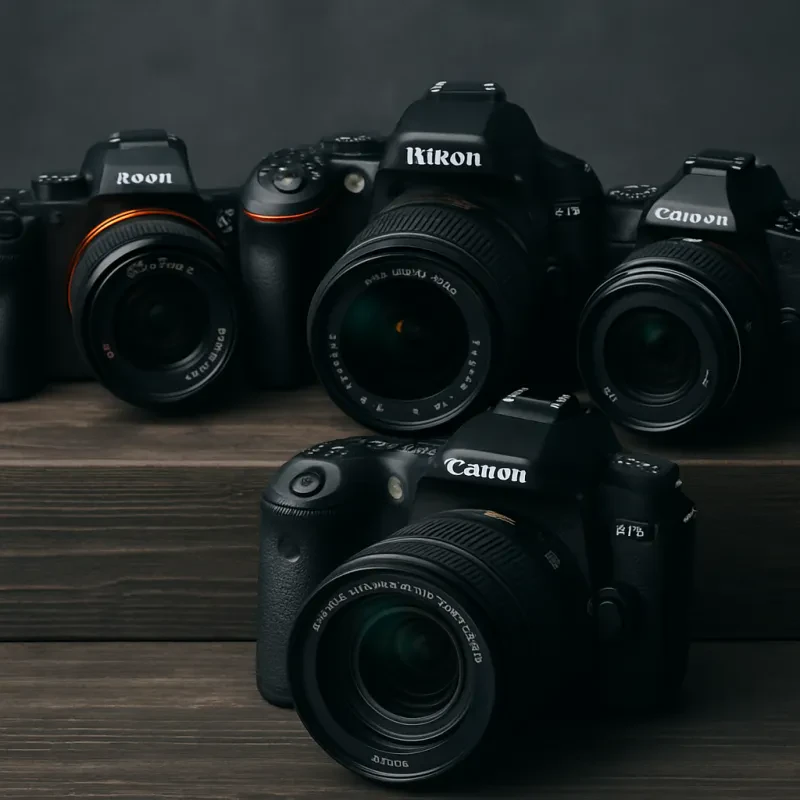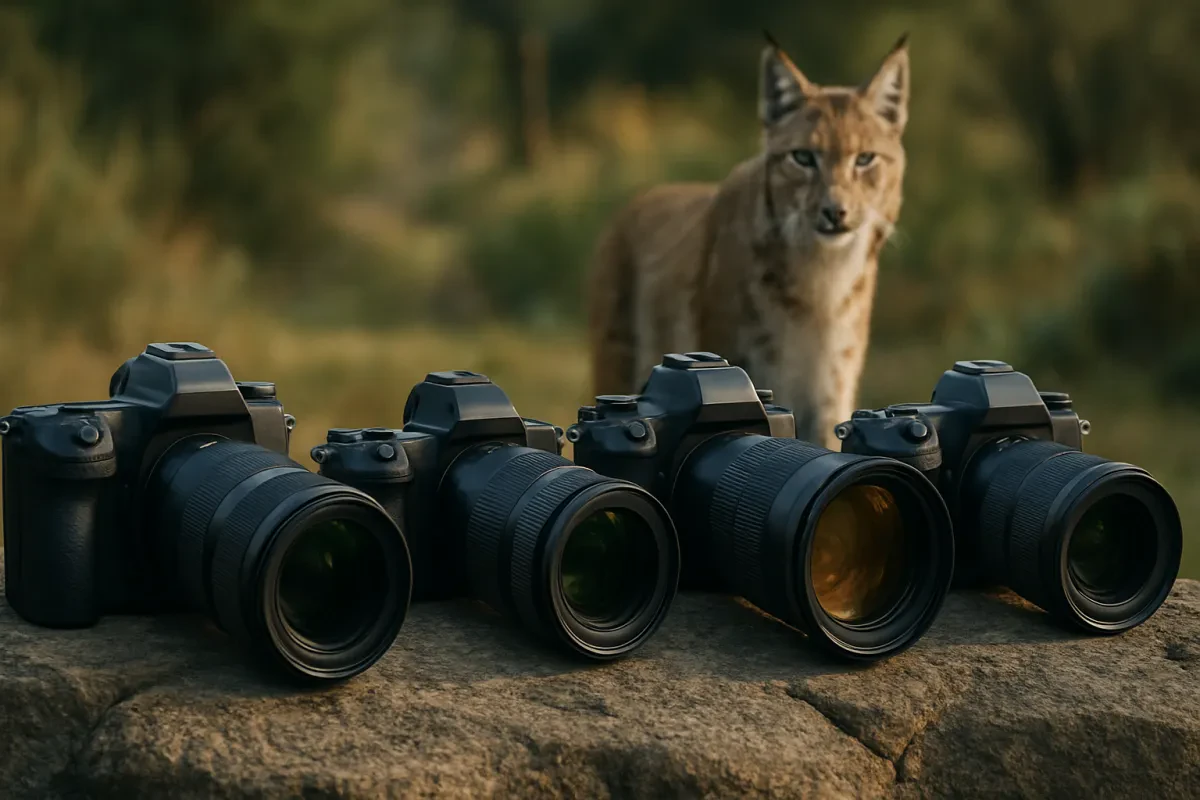
When it comes to wildlife photography, having the right gear makes all the difference. You need a camera that can keep up with fast-moving subjects and tricky lighting situations. Here are some of the best options to consider if you're serious about capturing those breathtaking moments in nature.
First up, the Canon EOS-1D X Mark III. This beast of a camera is built for speed and durability, perfect for capturing elusive wildlife. It boasts a 20 frames per second burst mode and an impressive autofocus system that locks onto fast-moving subjects with ease. Plus, its weather-sealed body means you can shoot in less-than-ideal conditions without worry.
Another great pick is the Nikon D6. Known for its incredible low-light performance, it’s a top choice for shooting at dawn or dusk when animals are most active. It features a robust autofocus system and can shoot up to 14 frames per second. If you like to shoot long-distance, this camera handles high ISO settings beautifully, so you won't lose detail in your photos.
If you’re looking for a more compact option, check out the Sony Alpha 7R IV. This mirrorless camera is lightweight but doesn’t skimp on features. With a whopping 61-megapixel sensor, it captures stunning detail, ideal for those close-up shots of wildlife. Its fast autofocus system helps you snap that perfect shot before the moment passes.
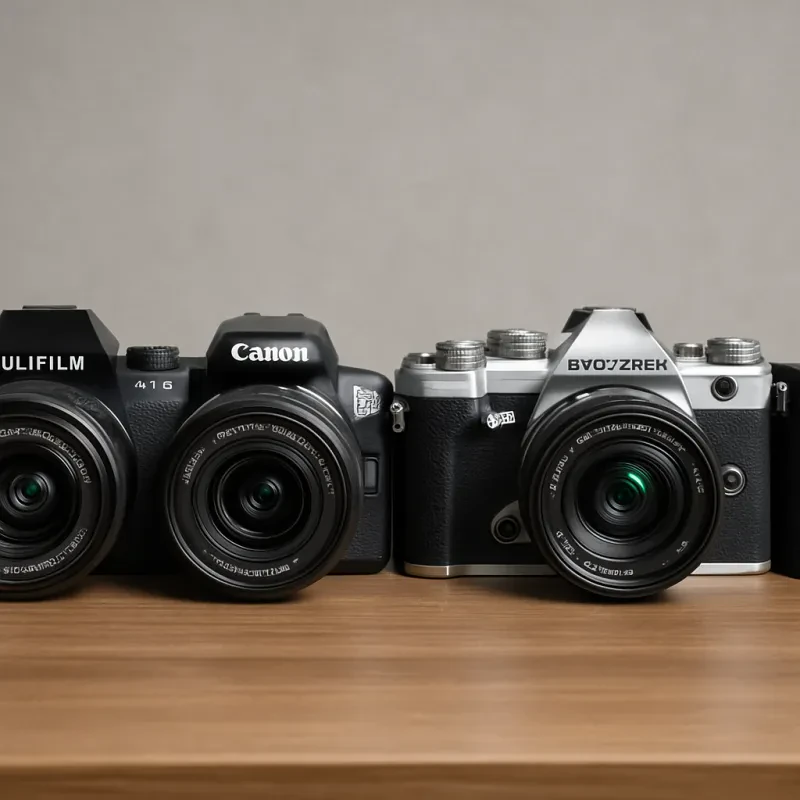
Lastly, consider the Fujifilm X-T4. It’s user-friendly, making it a fantastic option for beginners stepping into wildlife photography. The X-T4 is known for its excellent image quality and solid battery life. You can capture sharp pictures in various conditions without feeling overwhelmed by complicated settings.
Features That Make a Difference
When you're out in the wild, your camera needs to keep up with the action. Professional cameras for wildlife photography come packed with features that really matter. Here are a few that can make a big difference in your shots.
First off, look for fast autofocus systems. Wildlife isn’t exactly posing for you, so having a camera that locks onto moving subjects quickly is essential. Many professional cameras these days have advanced autofocus modes to track animals in motion. This can be a game-changer, especially if you're trying to capture that perfect moment of a lion on the prowl or a bird in mid-flight.
Another feature to consider is burst shooting speed. You want a camera that can snap multiple frames per second. This way, you won't miss the blink of an eye or the flap of a wing. Imagine capturing a whole sequence of a deer bounding through a field – that’s the kind of magic you can create with the right tools.
Don’t forget about durability. Wildlife photography often means tough conditions. Your gear needs to withstand splashes, bumps, and dust. Many professional cameras for wildlife photography are built tough with weather sealing, so you can shoot without worrying about a little rain or dirt.
Finally, pay attention to the lens compatibility. Different wildlife demands different lenses. A zoom lens can help you get close to your subject without disturbing them. Having a range of lens options means you're ready for anything – from close-ups to wide landscapes. Choose a camera that gives you flexibility with lenses, and you're set for adventure!
Top Picks for Every Budget
If you’re diving into wildlife photography, picking the right camera can make all the difference. Luckily, there’s a great selection of professional cameras for wildlife photography that fit various budgets. Here are some of the best options to consider.
Under $600:
$600 - $1,200:
Above $1,200:
No matter your budget, there’s a great camera out there for you. Each of these professional cameras for wildlife photography will help you capture stunning moments in the great outdoors.
Tips for Choosing the Right Camera
Picking the right camera for wildlife photography can feel overwhelming, but it doesn’t have to be. You want something that’s going to perform well without all the extra fluff. Start by considering how you plan to use your camera. Will you be shooting in low light conditions at dawn or dusk? If so, look for cameras with larger sensors that can handle those tricky lighting situations.
Next, focus on the lens options. A good zoom lens is key for wildlife shots since you’ll often need to keep your distance. Look for professional cameras for wildlife photography that offer longer focal lengths. A lens like a 300mm or 400mm can really help you capture those stunning details without scaring the critters away.
Don’t overlook speed! Fast autofocus and quick burst rates are essential when you're trying to catch a bird in flight or a deer in motion. Check the camera specs for the autofocus points and shooting speed. You want something that can keep up with the action. Cameras that have a solid continuous shooting mode let you snap several frames in a row, so you won’t miss those split-second moments.
Finally, think about durability. Wildlife photography can lead you into some rough conditions, so make sure your camera can handle a bit of dust, moisture, and cold. Look for professional cameras for wildlife photography that are weather-sealed. This way, you don’t have to worry when you encounter unexpected weather while shooting out in the field.