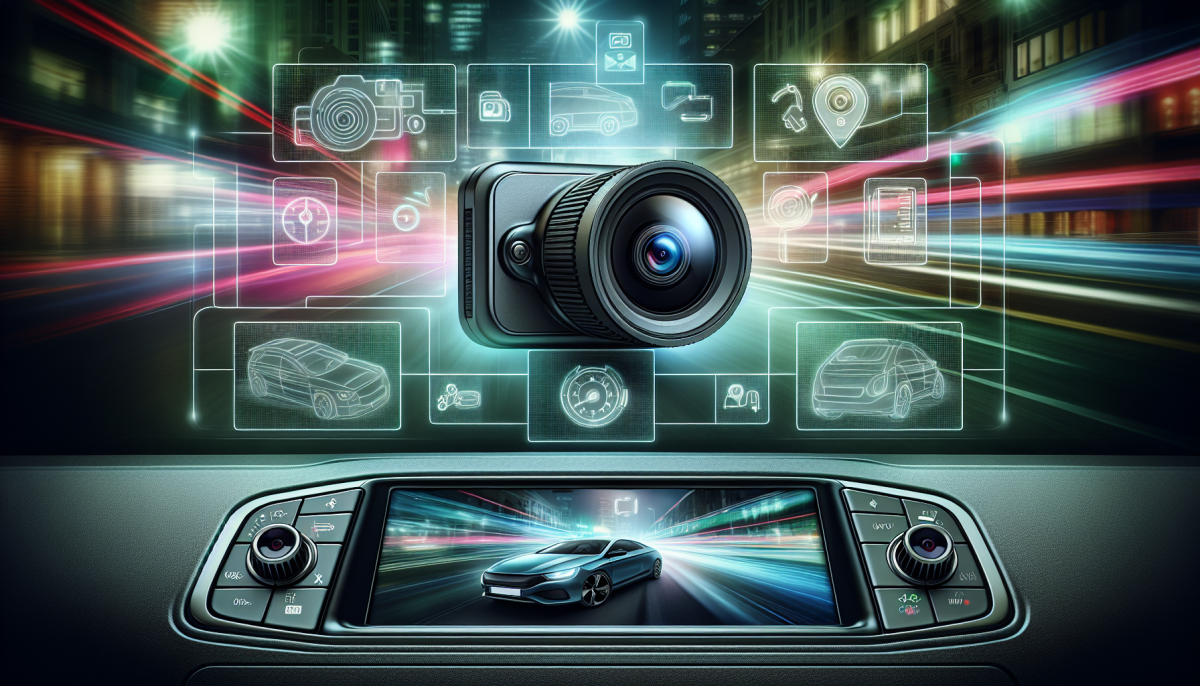
When shopping for a dash camera, you want to make sure you get the best features to keep you safe on the road. Here are some essential features to look for that can make a big difference.
First off, video quality matters. Aim for at least 1080p resolution or higher. This ensures you capture clear footage, which is crucial if you ever need to prove what happened in an accident. Some cameras even offer 4K video, giving you a sharper image. Don't forget about night vision, too! A good night vision feature helps you see clearly even in low-light conditions.
Another key feature is loop recording. This means your camera automatically overwrites old footage when the memory card fills up. This way, you won't have to constantly delete old videos, and you'll always have recent footage on hand. Pair this with a g-sensor, which detects sudden impacts and locks the footage so it doesn’t get overwritten, and you’ve got a smart setup.
You'll also want to consider the field of view. A wide-angle lens can capture more of the road and surroundings. Look for cameras with at least 120 degrees. Some models even offer 170 degrees, giving you an even broader perspective. This is super useful for capturing everything happening around you.
Finally, think about connectivity options. Some dash cameras come with Wi-Fi or app support, letting you easily download and share videos with your phone. This feature makes it simple to keep your loved ones updated or report any incidents without the hassle of connecting cables.
Understanding Video Quality for Your Needs
When shopping for a dash camera, video quality is super important. You want clear, sharp images to capture everything happening on the road. Most people look at two main specs: resolution and frame rate.
Resolution refers to how clear the video is. Common options are 1080p (Full HD) and 4K. If you want crystal-clear footage that can pull out details like license plates, go for 4K. But 1080p is still great for everyday use, and it saves a bit on storage.
Frame rate is about how smooth the video looks. Most cameras offer 30fps or 60fps. A higher frame rate means smoother motion. If you drive in busy traffic or want to capture fast-moving scenes, choose a camera with at least 60fps.
Don't forget about low-light performance. With night driving, you want a camera that can handle less light without making everything grainy or dark. Look for features like wide dynamic range (WDR) which help balance light and dark areas.
Finally, think about where you'll mount your dash cam. A wider angle lens gives you a larger view, but be cautious. Super-wide angles can distort objects at the edges. Aim for a balance that covers the road fully without too much distortion. This way, you'll get the best footage when you need it!
Storage Options and Their Importance
When it comes to dash cameras, storage options play a big role in how well your camera performs. The right storage means you’ll catch all those crucial moments on the road without missing a beat. It’s not just about getting footage; it's about how long you can record and how quickly you can access those important clips.
Most dash cameras use microSD cards for storage. It’s essential to choose a card with the right capacity and speed. Look for cards that are at least Class 10 or UHS-I. These offer faster write speeds, ensuring your camera can capture high-resolution video without dropping frames. Here’s a quick breakdown:
Don’t forget about the loop recording feature! Most dash cameras automatically overwrite the oldest footage when your storage fills up. This way, you’ll always have the latest clips without having to manually delete anything. If you’re someone who’s on the road a lot, investing in a larger card can save you the hassle of checking and emptying your storage regularly.
Lastly, consider getting a high-quality microSD card from a reliable brand. Cards can fail, and you don’t want to risk losing important footage due to poor quality. It’s a small investment that can make a big difference in your camera’s reliability.
User-Friendly Controls and Connectivity
User-friendly controls are a game-changer when it comes to dash cameras. You don’t want to be fumbling around trying to figure things out while driving. Look for models that have intuitive buttons or touchscreen interfaces. The easier it is to navigate, the safer you’ll be on the road.
Many dash cameras come with voice commands. Imagine just saying “start recording” and the camera kicks in without you having to touch anything. That’s super handy! It lets you keep your eyes on the road while still getting all the footage you need.
Connectivity options matter too. Some cameras link up with your phone or have built-in Wi-Fi. This means you can quickly upload your videos or check footage right from your smartphone. No need to handle tricky cables or go through lengthy processes. You’ll want to be able to access that information easily, especially after an incident.
Don’t overlook the importance of GPS. Cameras with this feature can track your speed and location. Having that data can come in handy if you ever need to file a claim. It gives you an extra layer of backup for those tricky moments on the road.