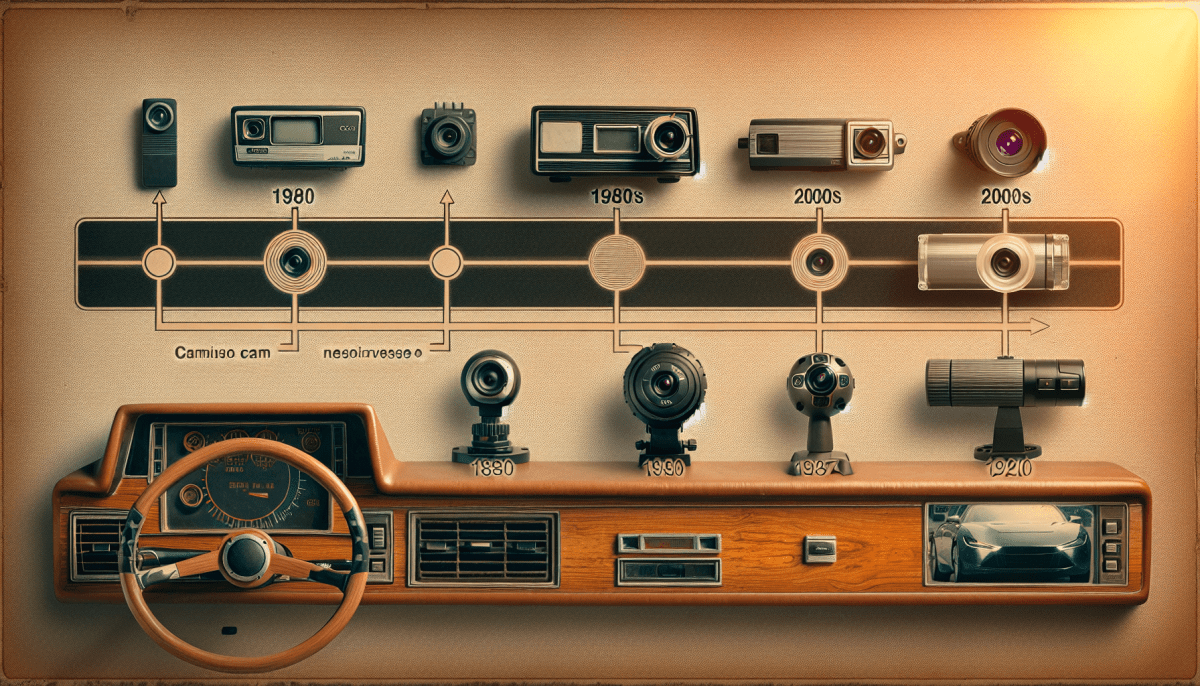
The story of dashboard cameras starts in the early 2000s, mainly in Japan and Russia. They began catching on with drivers who wanted to record their journeys, whether for fun or for safety. These little gadgets quickly turned into a hot topic because they offered a way to document everything that happens on the road.
In Japan, where they’re called “drive recorders,” these cameras became super popular after several high-profile accidents highlighted the need for proof in case of disputes. Drivers loved the idea of having a reliable witness, and it wasn’t long before people started using them to capture interesting moments, too, like funny encounters or stunning scenery.
Over in Russia, dashcams took off during the rise of insurance fraud cases. Drivers installed them not just for fun but to keep themselves safe from dishonest claims. The footage provided undeniable evidence and changed the game for how people handled accidents. Suddenly, everyone wanted to have that peace of mind.
As technology progressed, these cameras got smaller and better. By the 2010s, they incorporated features like night vision, GPS, and even Wi-Fi connectivity. Users could easily share videos or access footage on their smartphones. It’s a new level of convenience that fits right into our tech-driven lives.
Now, dashboard cameras are part of the driving experience for many. They’re affordable, easy to install, and can save you big headaches down the road. Whether you’re commuting to work or going on a road trip, having a dashcam means you’re always prepared for whatever happens on your journey.
Early Innovations and Features
The journey of car dashboard cameras began in the early 2000s. At first, these gadgets were pretty basic. The first models were essentially just video recorders you could stick on your windshield. Their main purpose was straightforward: to capture what was happening in front of your car. This was especially useful for documenting accidents. If something went wrong, you had clear evidence of what took place.
As technology improved, so did dashboard cameras. The early models had limited features, but soon, manufacturers started adding things like loop recording and G-sensors. Loop recording meant that your camera could continuously record, saving space by overwriting older files when your memory card filled up. The G-sensor was a game-changer. It could detect sudden movements like hard braking or collisions and would automatically save the footage of those moments, so you didn’t lose crucial evidence.
Another cool feature that emerged was night vision. Early dash cams struggled to capture clear images at night, which was a major drawback. But advancements in infrared technology made it possible to record in low light, enhancing safety for drivers. This was a big deal for people driving late at night or in poorly lit areas.
By the time we hit the 2010s, the market was buzzing with options. Some cameras came with GPS tracking, so you could record exactly where an incident happened. Others had Wi-Fi connectivity that allowed you to easily transfer footage to your phone or upload it to the cloud. The addition of smartphone apps made managing your recordings even simpler.
These early innovations set the stage for the dash cams we see today. They’ve come so far, but the core mission remains the same: to provide peace of mind while you’re on the road. With ongoing tech improvements, we can expect even more features that make driving safer and smarter.
How They Became Popular
Car dashboard cameras, or dash cams as we like to call them, really took off in the early 2000s. The combination of affordable technology and the increasing need for evidence in road incidents gave them a big boost. Drivers wanted a way to capture what was happening on the road, and these cameras fit the bill perfectly.
As traffic incidents became more common, people realized that having a dash cam could save a lot of headaches. If you’ve ever been in a fender bender, you know how tricky it can be to settle disagreements about who’s at fault. With a dash cam, it’s all there—video evidence that can clear up confusion in a flash.
Social media played a huge role in their popularity too. Once people started sharing their dash cam footage, it went viral! Crazy accidents and heartwarming moments captured on these cameras caught everyone’s attention. They offered a peek into the everyday life on the road, and who doesn’t love a good driving story?
Today, dash cams are considered essential for many drivers. They’re not just for recording incidents anymore. With features like GPS logging, parking monitoring, and even advanced driver assistance, dash cams have evolved into smart devices that keep you safe on the road. They’ve become a standard part of driving, and for good reason!
Current Trends and Technology
Dashboard cameras, or dash cams, have come a long way from their early days. Today, they’re packed with tech that makes driving safer and more enjoyable. The latest trend is the use of high-definition cameras. Many dash cams now offer 1080p or even 4K video quality. This is super important because clear footage can really make a difference if you need to prove what happened in an accident.
Another cool trend is the addition of features like GPS tracking and speed monitoring. With GPS, your dash cam can log exactly where you were when something happened, making it easier to resolve disputes. Plus, some dash cams can tell you how fast you were going, which is handy if you ever find yourself in a sticky situation regarding speed limits.
Many new models also come with advanced driver-assistance systems (ADAS). This tech can warn you about potential collisions or lane departures, adding an extra layer of protection. It’s like having a co-pilot who keeps an eye on the road while you focus on driving.
Night vision capability is another hot feature right now. A lot of dash cams perform exceptionally well in low-light conditions, capturing clear images even when it’s dark outside. This is great if you’re driving late at night or in areas where street lighting is poor.
Lastly, wireless connectivity is becoming standard. Many dash cams can connect to your smartphone via Wi-Fi or Bluetooth. This lets you easily transfer videos for sharing or review without the hassle of pulling out a memory card. Convenience is key, and these tech upgrades are making dash cams smarter and easier to use than ever.